National Heart Month is a reminder of something simple but powerful: in the moments when a life hangs in the balance, it’s often a nearby neighbor or a Good Samaritan who becomes the first source of hope. Cardiac emergencies can happen anywhere — at a food distribution site, in a community center or during an ordinary day — and when they do, the people closest to us are the ones who make the difference.
That spirit of looking out for one another is what drives the American Red Cross Community Adaptation Program in Tulare County. As one of only 19 communities nationwide chosen for this long‑term investment, Tulare County is building preparedness from the inside out — through the people who already care for their neighborhoods every day.
Launched in early 2024, the program works shoulder‑to‑shoulder with local nonprofits, meeting them in the spaces where families gather, where elders find support and where community volunteers show up week after week. Together, these partners identified a need that felt deeply personal: the ability to act quickly during a cardiac emergency, especially for the older adults, infants and individuals with chronic health conditions who rely on their services in rural communities.
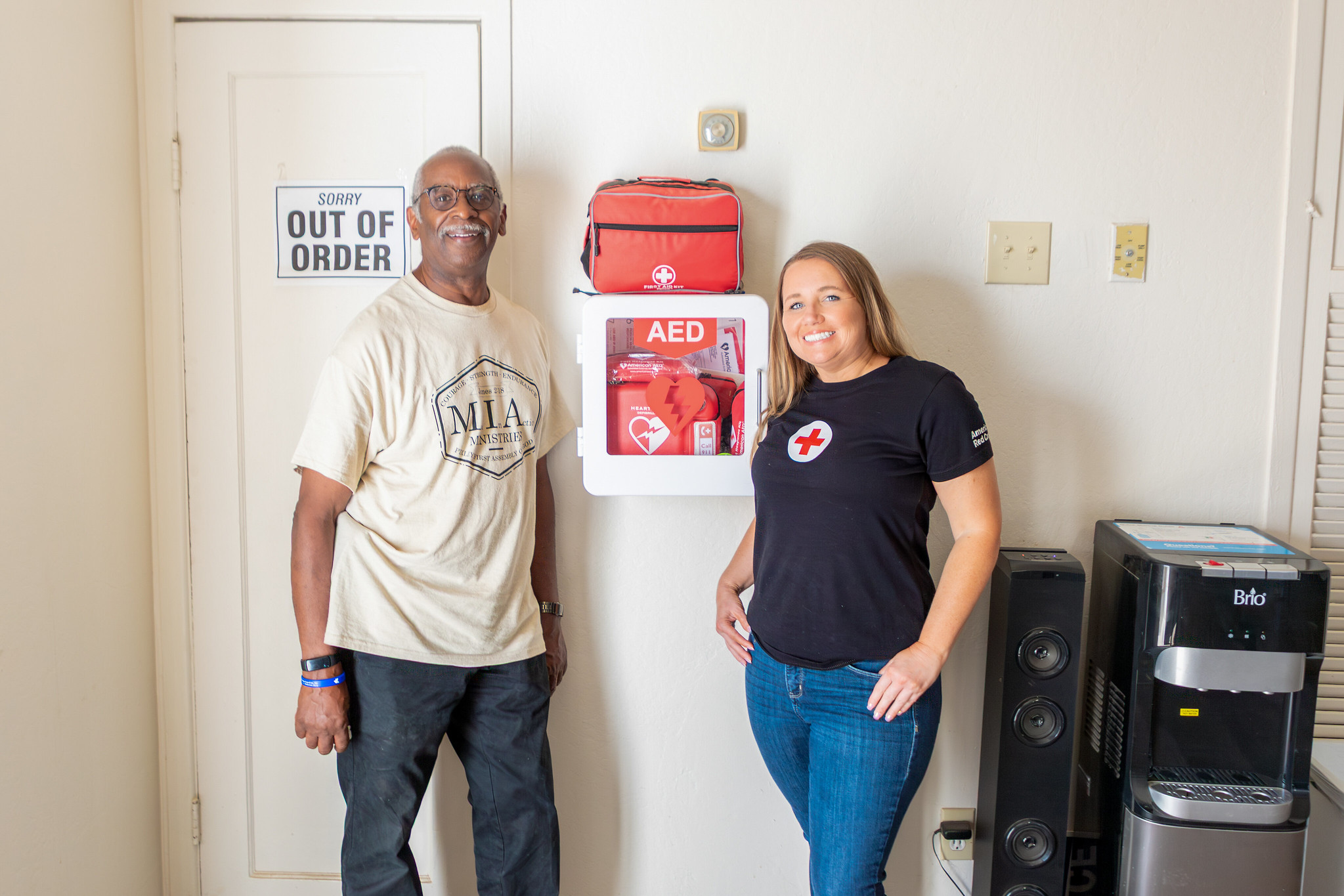
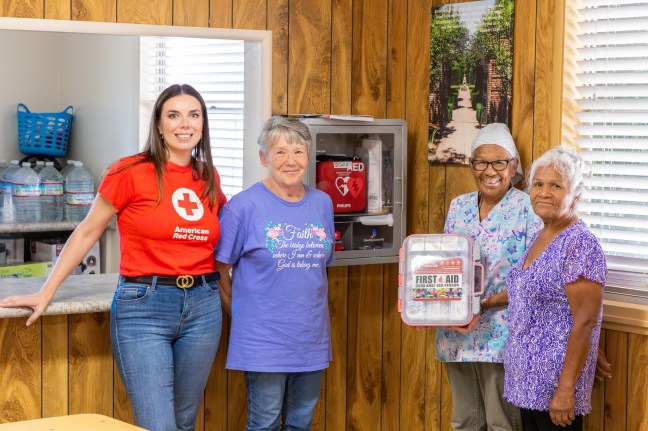
Since then, seven community partners across Tulare County have received lifesaving cardiac preparedness resources. Six of them trained their staff and volunteers in First Aid, CPR and AED skills that help them be ready for the moments that matter. They also received AED units and first aid supplies, not to sit unused on a shelf, but to be part of the daily rhythm of their community spaces. More than 100 people have been trained so far, each now confident to step forward when it matters most.
A seventh partner — already a trusted training provider — received CPR manikins to expand local training even further, helping ensure these skills reach more community members over time.
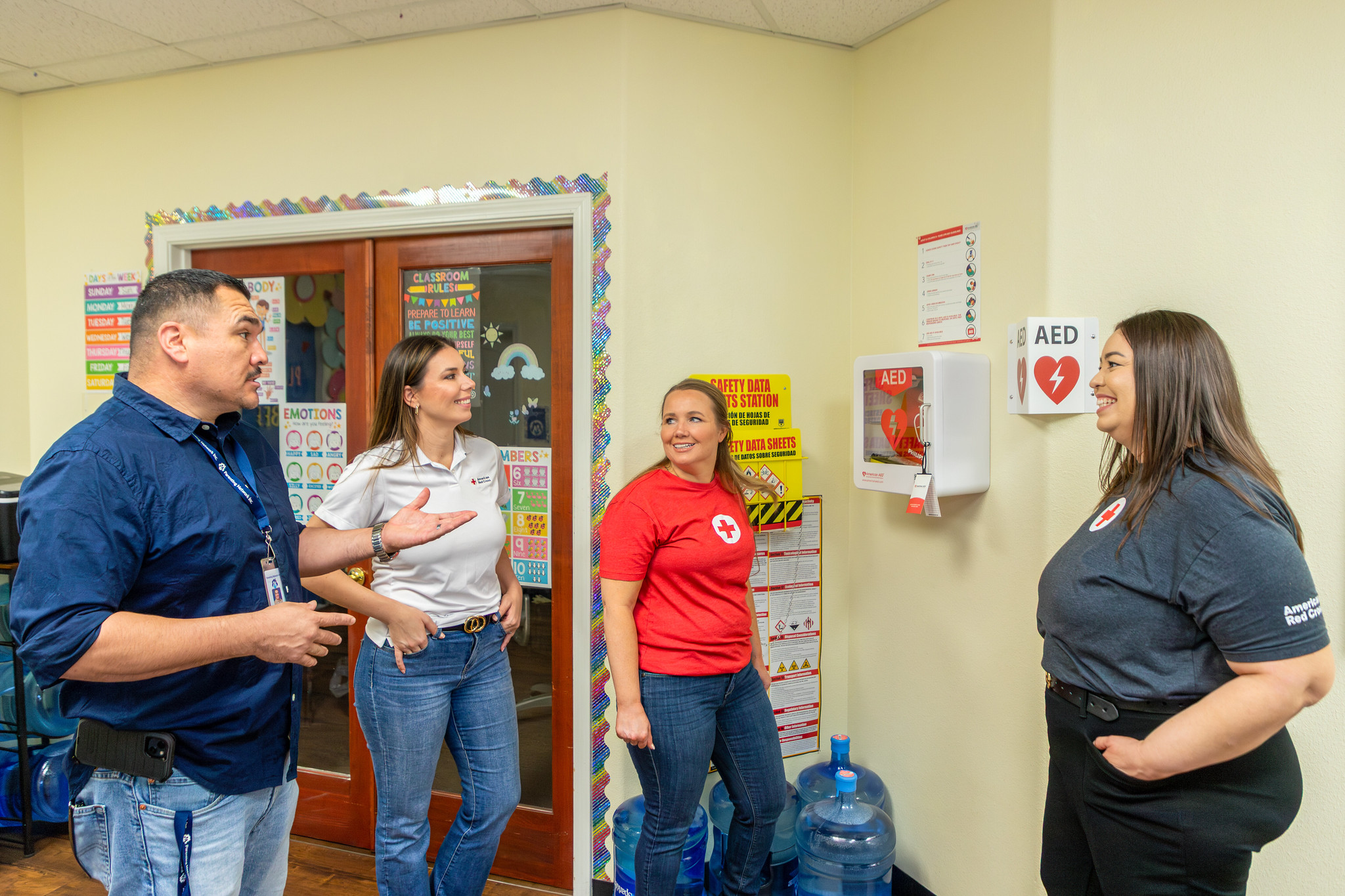
These tools were placed intentionally: in community centers where neighbors linger after events, in food distribution sites where families greet familiar volunteers, and in organizations where people often turn for help long before calling 911.
“You never know when someone might need help,” shared Carmen Salazar, a longtime church food pantry volunteer who has served the community since the 1980s. With many seniors both volunteering and picking up food, she said having an AED nearby — and knowing she can use it — gives her peace of mind. “It just makes you feel more prepared for the people you care about.”
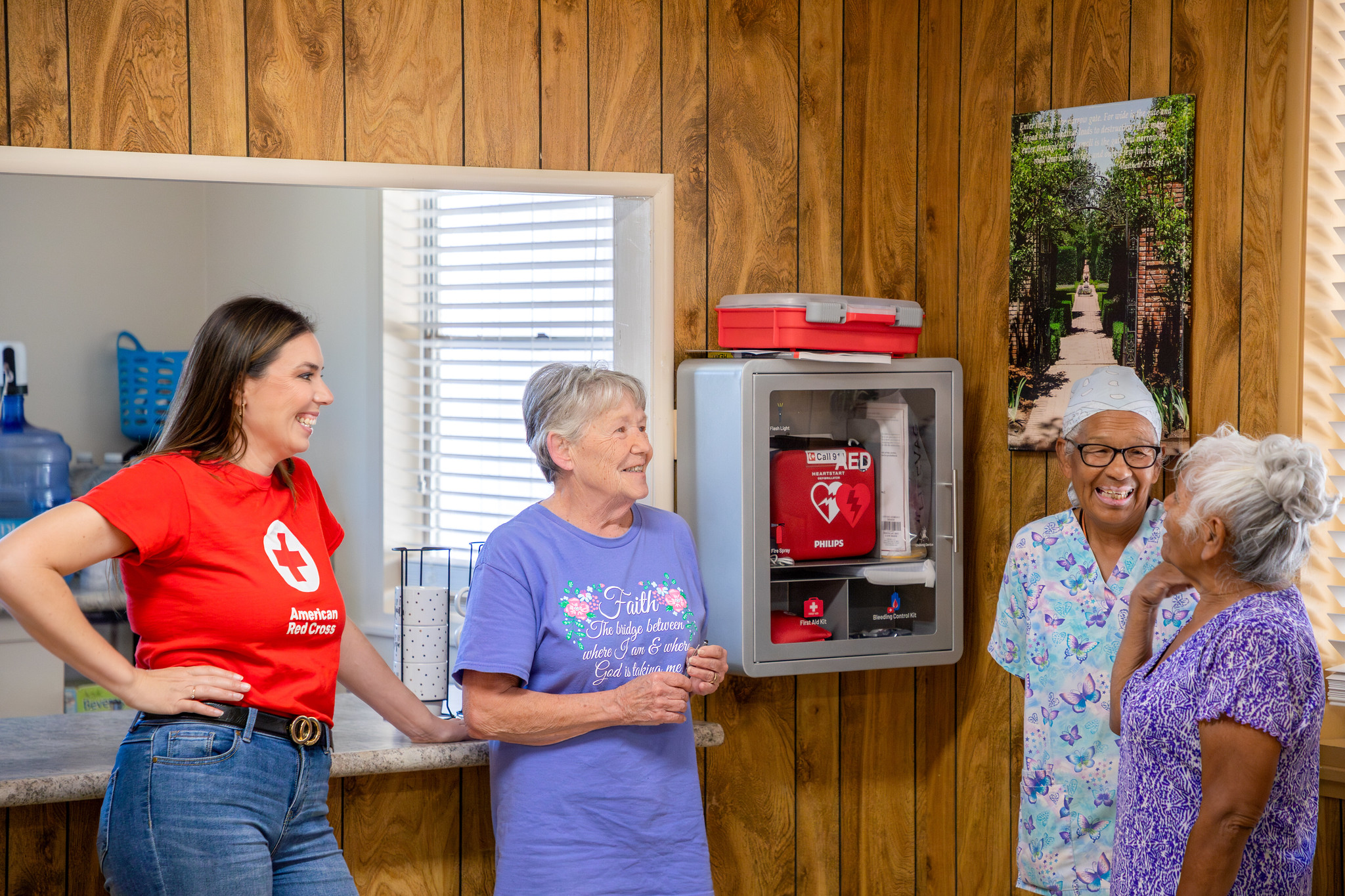
For the program manager, Margarita Moreno, that’s the heart of the work. “Our partners told us what they needed to respond when emergencies happen,” she said. “By pairing training with equipment, we’re helping build readiness that’s practical, local and ready when seconds matter.”
As National Heart Month shines a light on preparedness, Tulare County shows what it looks like when a community leads the way. By placing lifesaving tools directly into trusted spaces — and into the hands of the people who serve their neighbors every day — the Community Adaptation Program is helping protect lives now and strengthening resilience for years to come.
The American Red Cross is urging people to take a First Aid, CPR and AED class to be ready when seconds count. More than 300,000 people experience cardiac arrest outside of hospitals each year in the United States. Infants, older adults and those with chronic health conditions are among the most vulnerable. For children of all ages, more than 80% of these emergencies happen at home — making the home the front line of response. CPR and AED training isn’t just a medical skill — it’s a caregiving essential. Visit redcross.org/takeaclass to find a class near you.
 Red Cross Central California Blog