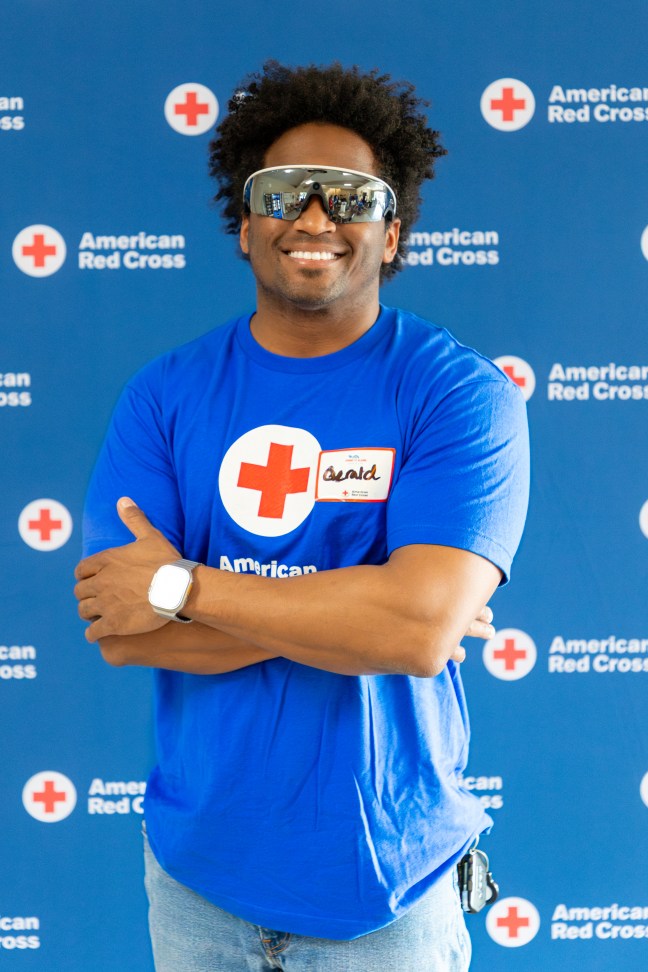
If you ask Gerald to describe himself, he won’t start with titles, ranks or achievements. He’ll simply say, “I’m just Gerald — someone who cares about people, someone willing to listen and someone who’ll help however he can.”
That’s how he moves through the world: grounded, steady and guided by values instilled long before he ever wore a Marine Corps uniform or stepped into a technology leadership role.
The youngest of five children, Gerald grew up in a family where service wasn’t an event. It was a way of life. Through church, family gatherings and volunteering, his parents taught him early that “the world was bigger than what we had going on in our lives.” That understanding shaped his priorities: faith, family and the belief that everyone has a responsibility to contribute to the world around them.
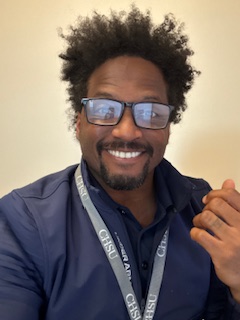
His upbringing was layered — shaped by being an African American kid raised in Clovis, California, with family roots in Oakland. Those experiences gave him the ability to navigate between cultures with awareness, empathy and confidence. Later, serving in the Marine Corps expanded that worldview even further.
“Growing up African American in a predominantly white environment and then serving in the military gave me the ability to navigate different cultures with awareness, discipline and credibility,” he said. It’s a perspective that now guides how he leads, mentors and shows up in rooms where people of color have historically been underrepresented.
Across deployments and duty stations, Gerald encountered people with assumptions about him, about where he was from, about how he was supposed to be. But community, for him, has never been about sameness. It has always been about connection.
He describes a network forged from Oakland to Clovis to every place the Marines sent him — a community that “shows up for one another through marriages, retirements, grief, triumph, and everything in between.” The people in his life, from military brothers and sisters to neighbors, help each other see new perspectives and navigate life’s challenges, both the tangible and the intangible.
This shared sense of showing up — with authenticity and care—is the same energy he brings into every space he enters.
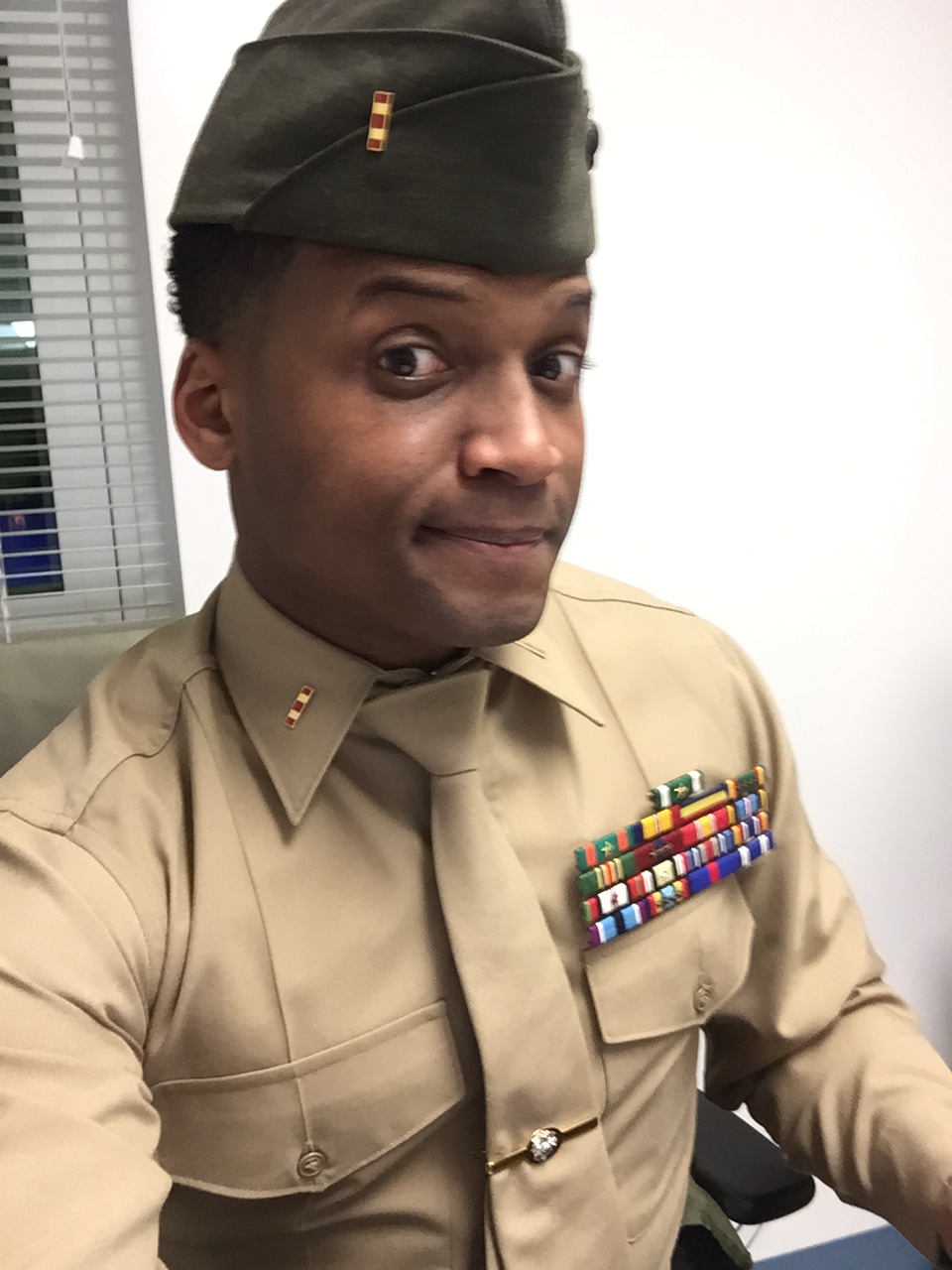
With 25 years in technology, Gerald has often found himself as the only African American leader in the room — both in the Marine Corps and in the private and public sectors.
His personal standard is not about proving himself — it’s about honoring those who opened doors before him, and widening the doorway for the leaders coming behind him.
He recalls the few African American Chief Warrant Officers who mentored him and the responsibility he now feels to uphold that same excellence as a tech leader. “It pushes me to research more, learn more, train more,” he said. “I never want anyone to question if I’m qualified, even before they know my background.”
Gerald didn’t come to the Red Cross by accident. He’d seen the mission up close during the 2020 Creek Fire, watching volunteers show up day after day for families forced from their homes. They weren’t just providing services — they were providing steadiness in a moment of chaos. And they were doing it in his own neighborhood.
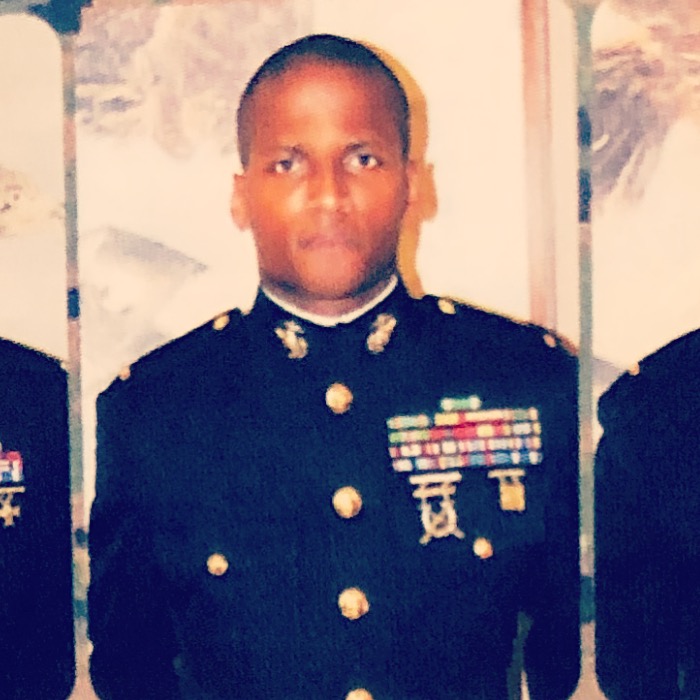
But the Red Cross had touched his life long before that.
While deployed to Iraq in 2004, his father passed away. With no mail or phone access, it was a Red Cross Emergency Communications Message that reached his command — and ultimately reached him. It gave him a moment to process his grief before being brought home from combat. He also remembers fellow Marines receiving joyful news that their children had been born healthy and happy, even as they deployed into uncertainty while their wives were pregnant.
These moments weren’t abstract to him. They were life-altering points of human connection.
So when a friend invited him to join the Board of Directors, his answer was already written inside him.
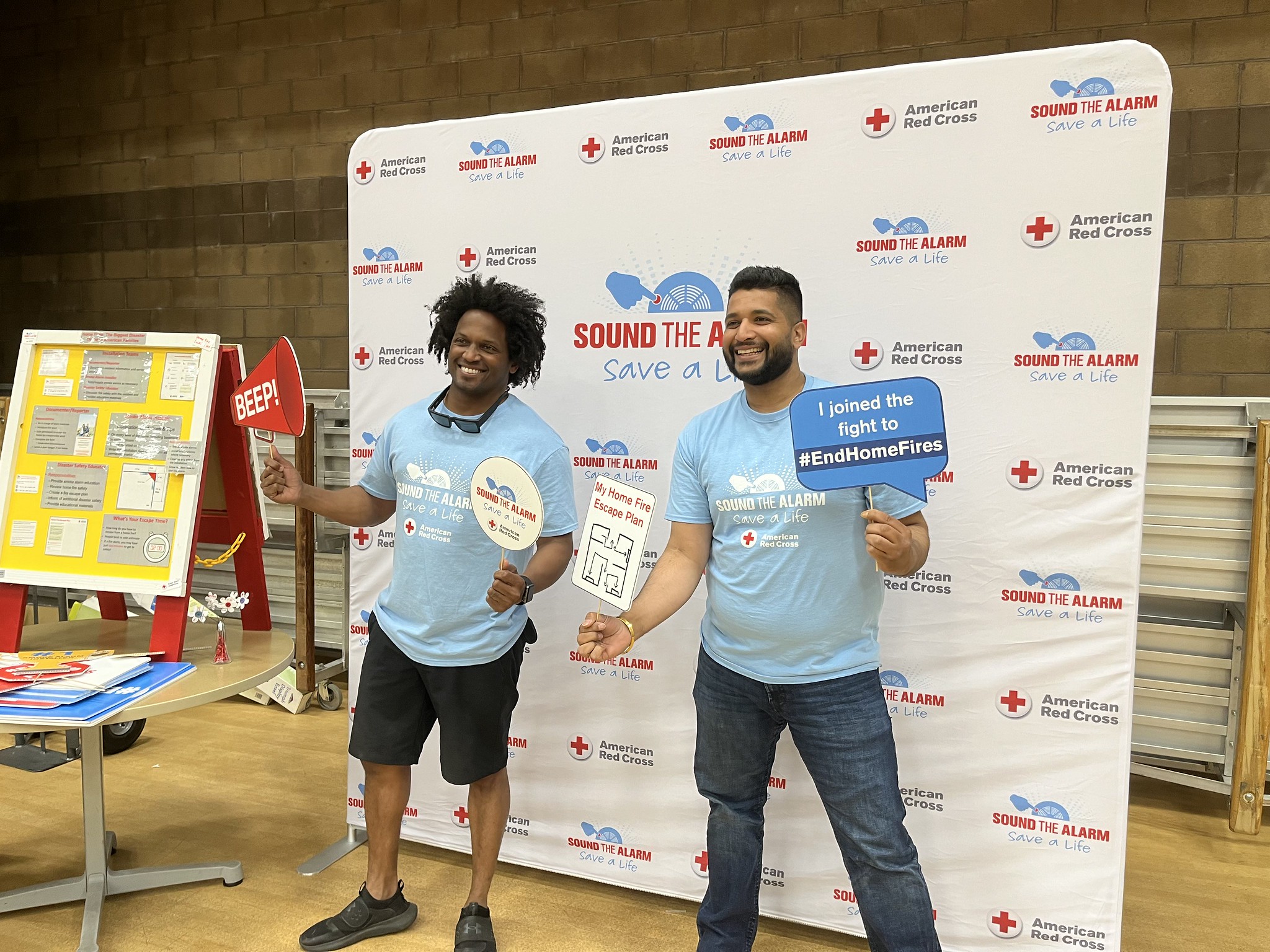
One memory from his board service still sits with him years later.
During a Sound the Alarm event in Madera, he and other volunteers installed smoke alarms in an underserved neighborhood. One home held an elderly couple caring for their young grandchildren. The house had multiple unpermitted additions, including an enclosed garage where the children slept — no windows, no smoke detector.
They installed alarms in every room.
Afterward, he found himself imagining the unimaginable: “How long would it take for them to assist their under-10-year-old grandchildren in the event of a fire without the alarms?”
“I knew in the event there was a fire, we were giving that family a chance.”
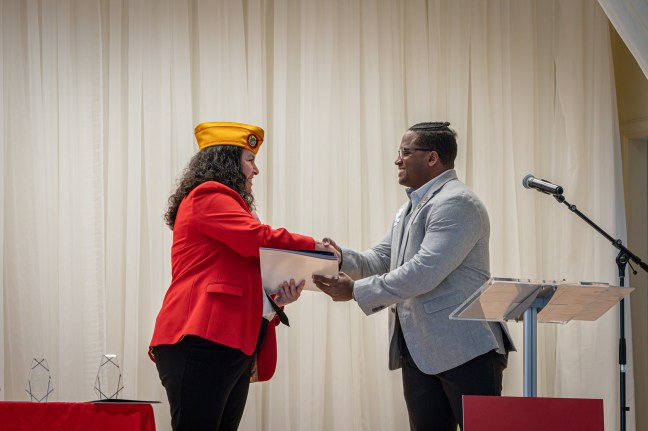
Gerald doesn’t do this work for recognition. The thank-yous, the smiles, the quiet moments of relief he sees in others — that’s what matters.
“The Red Cross mission aligns with me personally and professionally because it sits at the intersection of service, discipline and equity — the same intersection that has shaped my life and career,” he explained.
He believes deeply that anything people are willing to give, whether it be time, resources or leadership, will be put to good use because it goes directly to people in need.
Gerald’s legacy is already unfolding:
A leader who bridges cultures. Someone who upholds discipline and fairness. A person who leaves systems stronger, more humane, and more accountable than he found them. Someone who opens doors — without lowering the bar — so others can walk through with confidence.
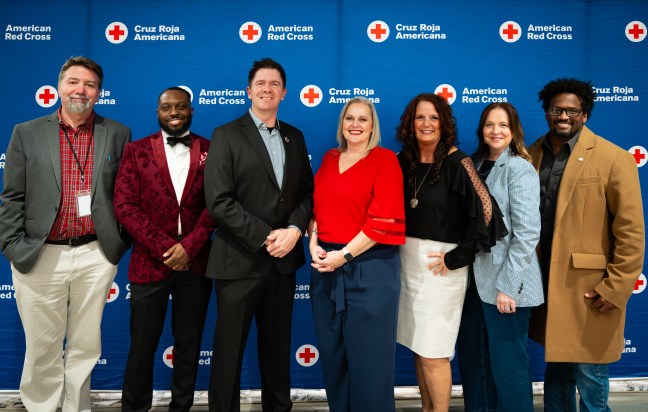
In every part of his life, from his family to the Marine Corps to the Red Cross, Gerald is guided by the same compass: care for people, show up and make the world bigger than yourself.
And he’s doing exactly that.
 Red Cross Central California Blog