
By Jake Dean, Red Cross Communications Volunteer
When climate disasters strike, they often do so unevenly. Tulare County, California, is on the front lines of the climate crisis, which is testing the community’s limits. From record-breaking heatwaves to food insecurity and aging infrastructure, the stakes are high. But through the American Red Cross Community Adaptation Program (CAP), Tulare County isn’t just weathering these challenges, they’re taking an active role in building disaster resilience.
Tulare County sits at a crossroads of high disaster risk and chronic underinvestment. According to the California Office of Environmental Health Hazard Assessment (OEHHA), its unincorporated communities are among the most burdened by environmental and social stressors in the state. In 2024 alone, some parts of the county endured more than 30 consecutive days above 105°F. This extreme heat places enormous pressure on families already contending with drought, wildfire smoke and power disruptions.
As Margarita Moreno, the Red Cross Community Disaster Risk Reduction Manager in Tulare County explains, “We can’t afford to only be on the receiving end of disaster response. We have to be at the center of it.”

That’s the driving ethos behind the CAP model. Instead of top-down responses, the program focuses on proactive, community-led solutions. CAP builds personal and collaborative relationships with hyper-local nonprofit partners who already know their communities’ needs, histories and daily realities. Together, they address the “three H’s” where disasters hit hardest: hunger, housing and health.
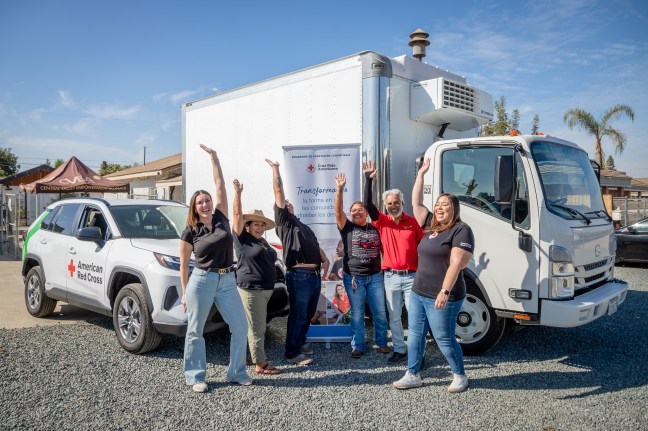
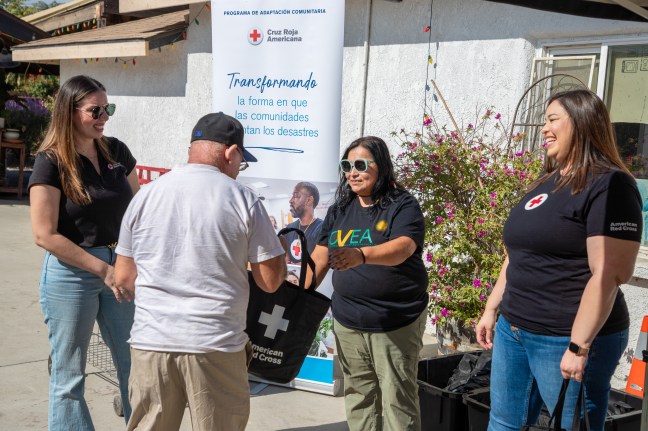
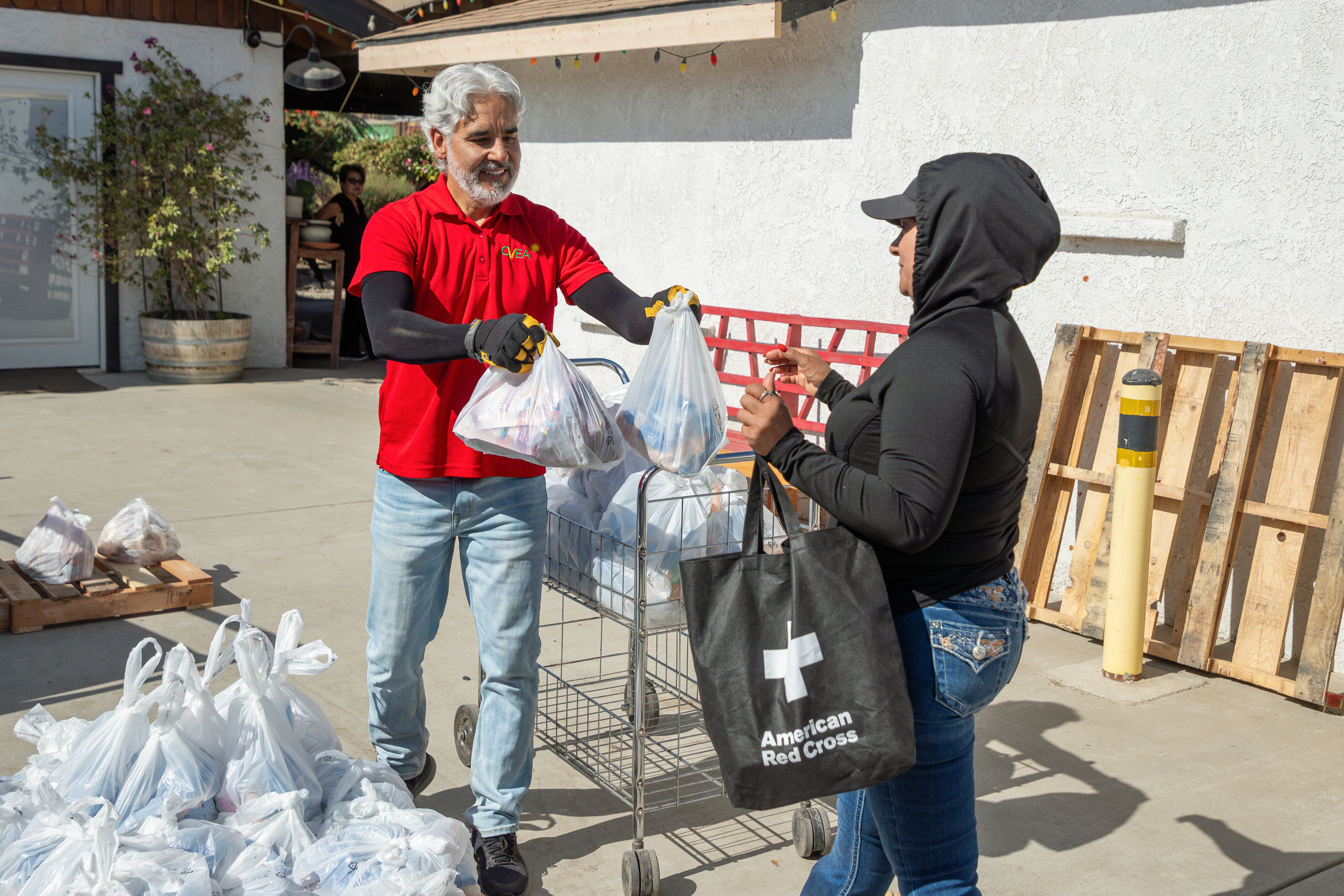
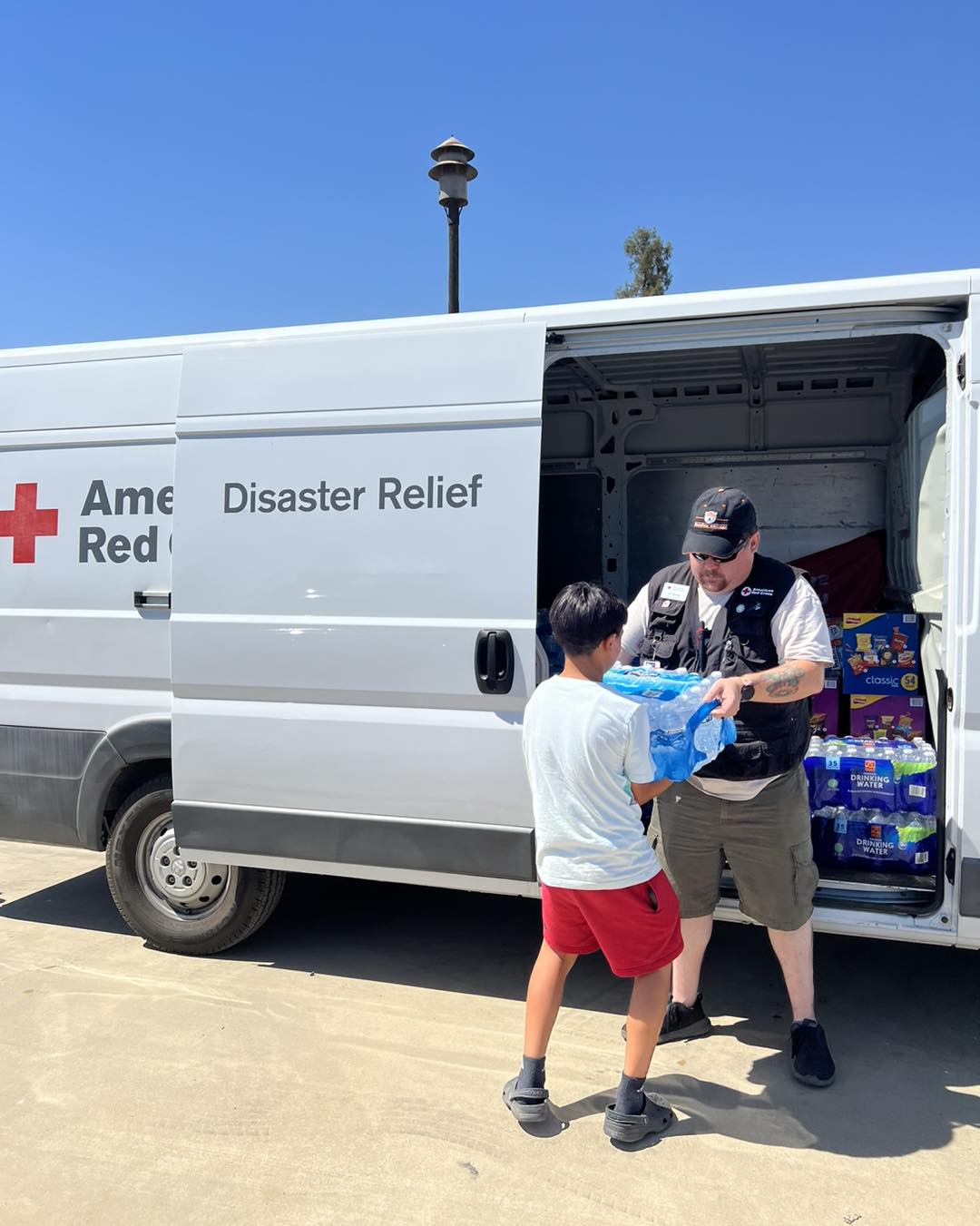
One powerful example is the partnership with the Central Valley Empowerment Alliance (CVEA). During recent extreme heat, CVEA used industrial misting fans and shade structures donated by the Red Cross to provide critical support for farmworkers. This collaboration not only protected vulnerable workers from heat-related illness, but also ensured that vital food distribution could go on.


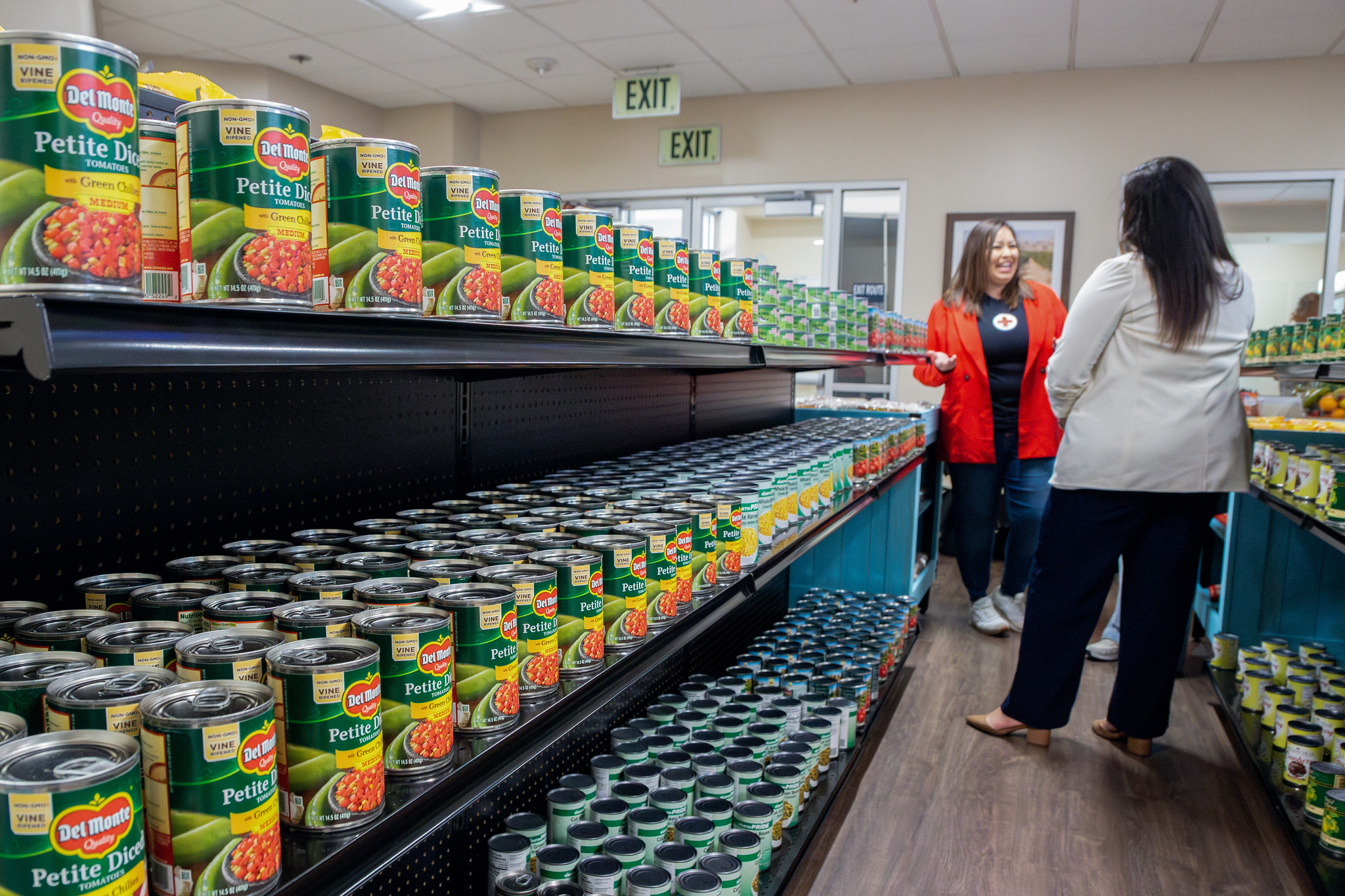
In Pixley, California, the Red Cross worked to donate cold storage units to the local First Assembly of God Food Ministry, allowing for a doubling of the households that this food pantry could serve. Similarly, in Allensworth, a small rural town where over 90% of households receive SNAP benefits, the donation of commercial refrigeration increased food storage capacity by 50%. For a community where the nearest grocery store is a 20-minute drive and public transportation isn’t available, this investment was life-changing.
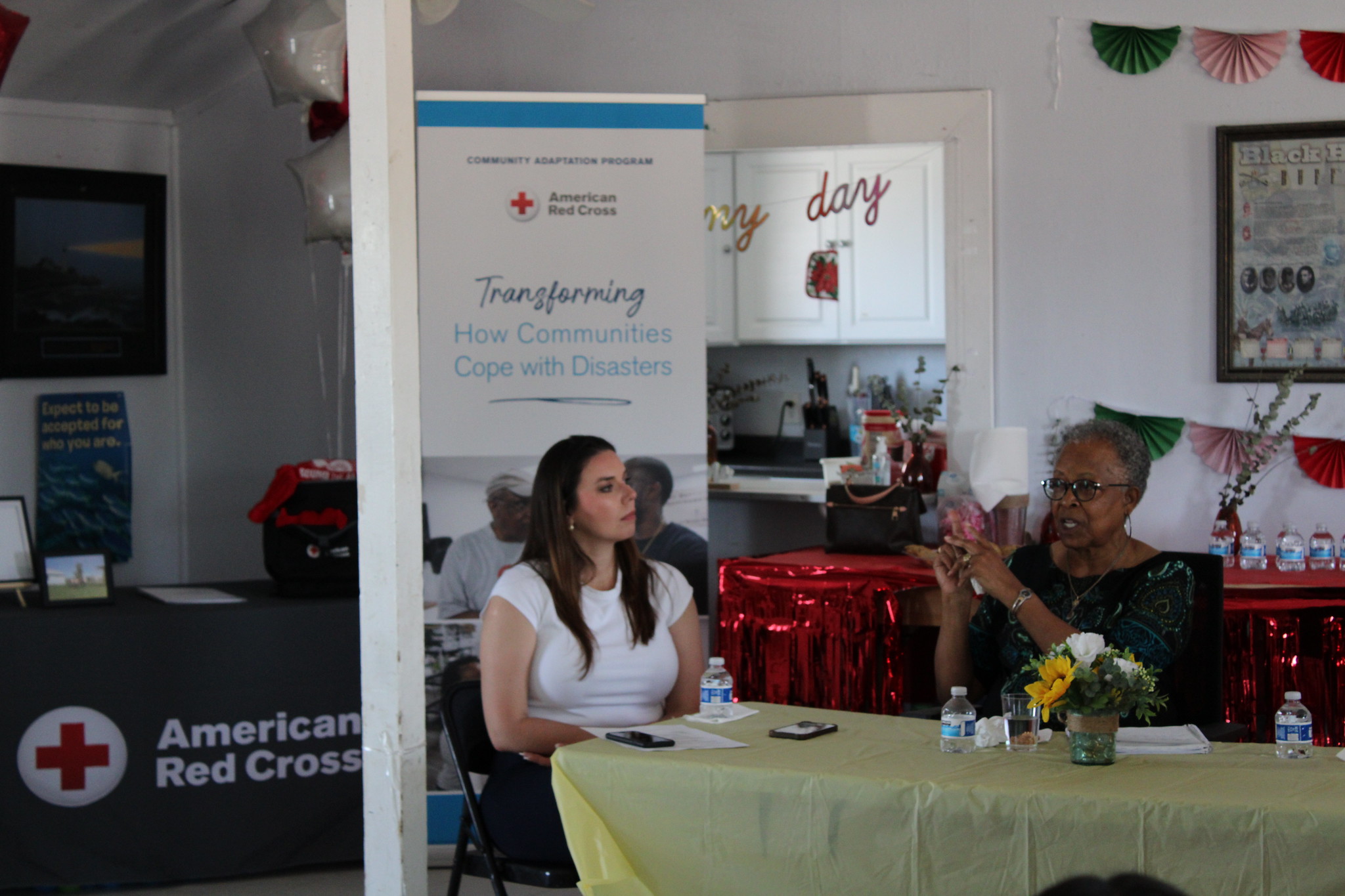
Denise Kadara, the President of the Allensworth Progressive Association (APA), makes it clear just how important this work is: sometimes “Communities just need to know that somebody else cares. The community gets so tired of us say, ‘we’re going to do stuff, we’re going to do stuff’ and they never see anything. They will get to see this… and they will get to benefit from this.”
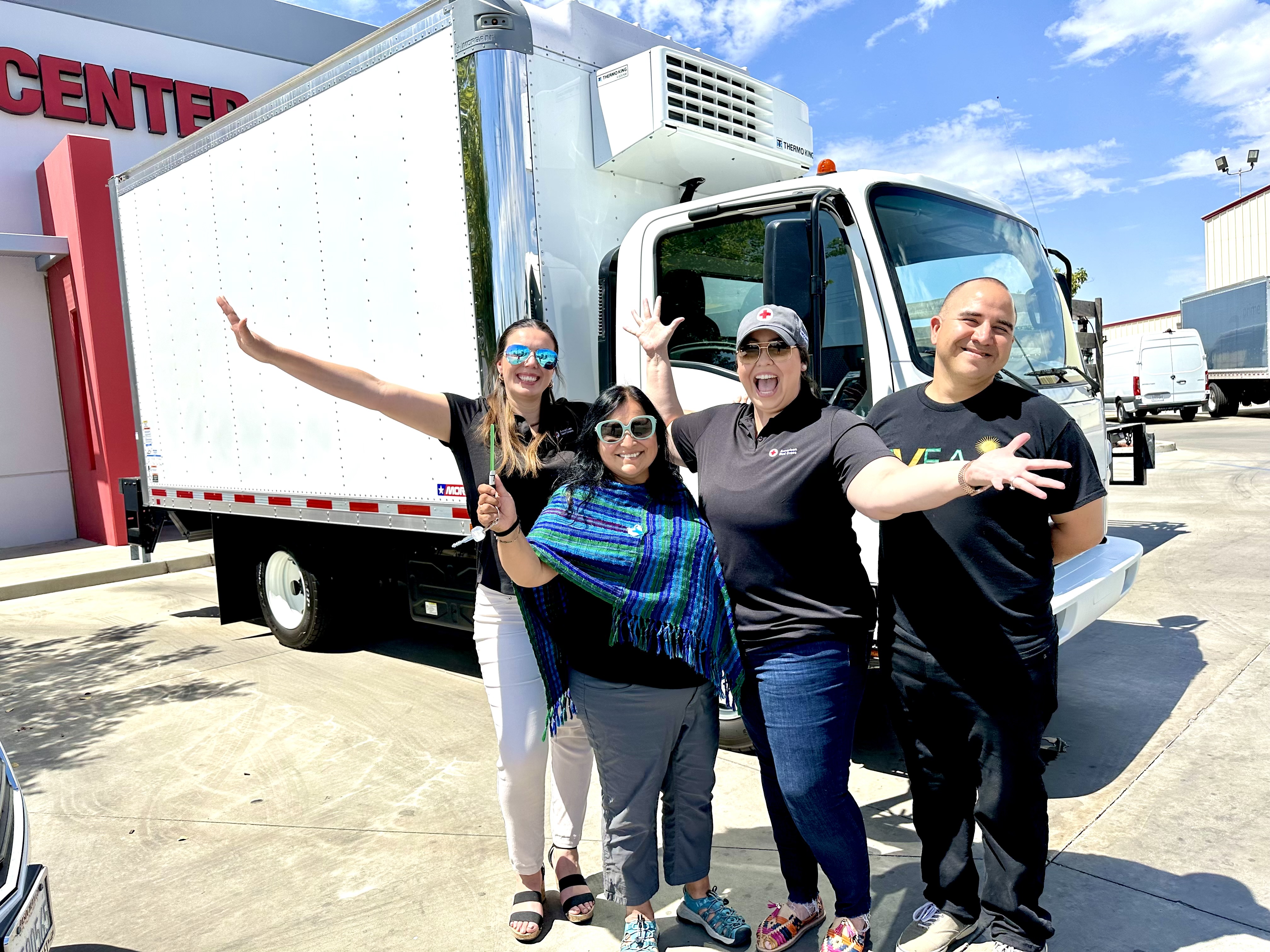
Through another project with CVEA, the Red Cross a 14-foot refrigerated truck which not only enabled food and water delivery to remote regions, but wellness checks on isolated elderly residents like Reginaldo Lacambacal, an 84-year-old farmworker supporting a household of 12.
Even with a language barrier, CVEA’s Filipino staff ensured Mr. Lacambacal and his wife received cold water and cooling support. These moments speak to what makes CAP distinct: its foundation in human relationships and cultural competency in a hyper-local context.
Another innovation has been the use of resilient infrastructure to transform local spaces into long-term community hubs. APA, for example, received solar-powered workstations, a vehicle for delivering food and medical transport, and a 40-foot shipping container to store emergency supplies. These enhancements allow the community to respond immediately to emergencies — and continue serving residents year-round.
For example, earlier this year, a family experienced a home fire that displaced them from their home. Red Cross Disaster Action Team volunteers were on scene within hours of the fire to provide immediate recovery assistance. The family sought additional services at APA, including using their community kitchen to cook meals, where the CAP team had helped upgrade commercial kitchen equipment and cooking essentials.
APA is also building a formal “resilience hub” with these tools integrated into its future operations. In the meantime, residents can already benefit from newfound access to food, power and transportation. They used their space to host the town’s First-Ever Wildfire Readiness Expo earlier this year in partnership with the Red Cross and other community groups.
CAP’s reach doesn’t end there. For example, the local team of Red Cross workers are working with Parenting Network Inc. to provide families of children with special needs with the equipment and training that will allow them to be better prepared to face disasters. From defibrillator units to vision/hearing screening devices and mental health programs, these tools aren’t just filling gaps, they’re also building sustainable solutions tailored to community needs.
What makes the CAP model so effective is its rejection of a one-size-fits-all solution. Each partner is empowered to lead the design of their disaster enhancements, ensuring that their voices and visions guide the process. The Red Cross brings coordination, training and funding — but it’s the community that holds the compass.
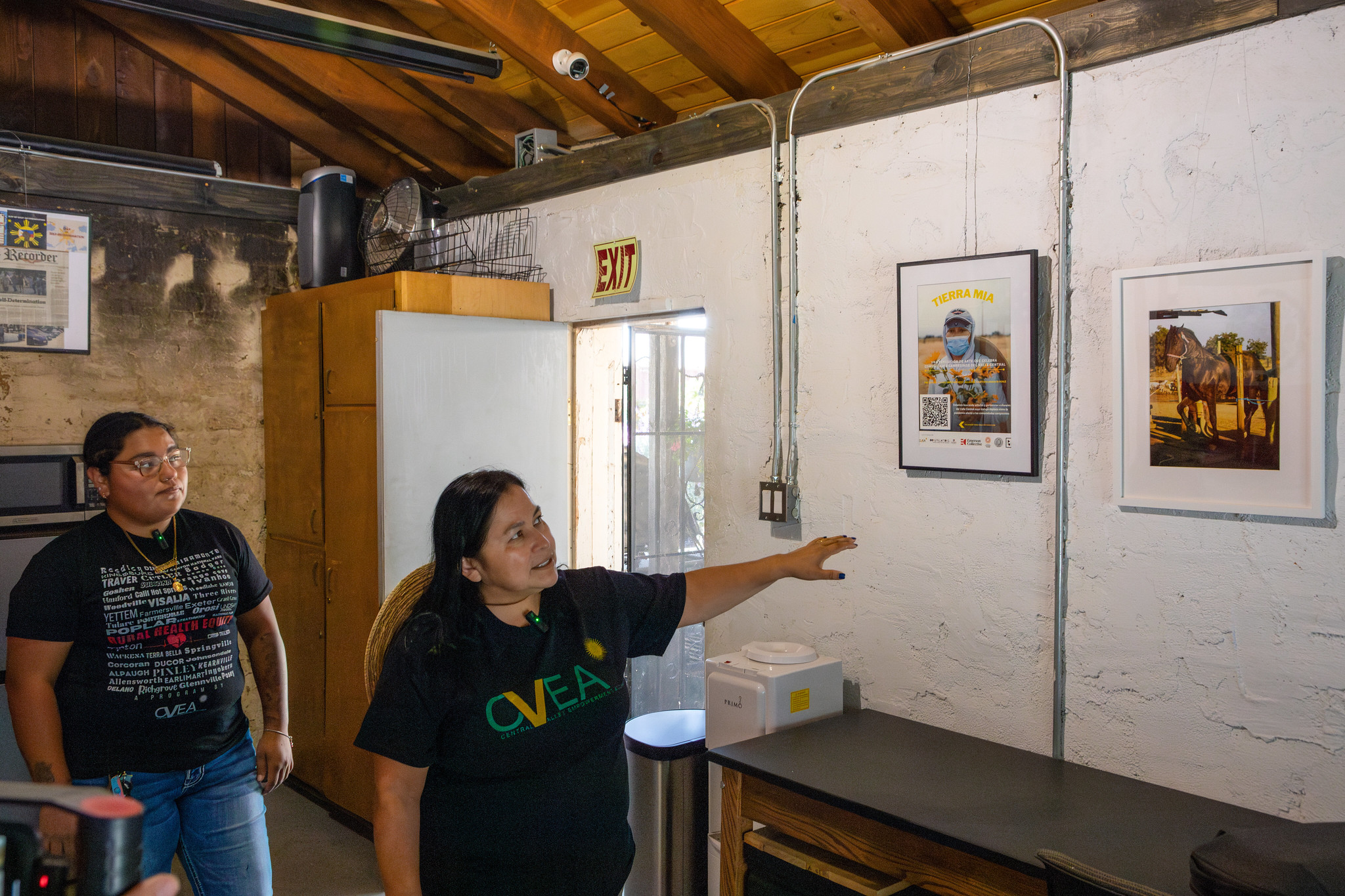
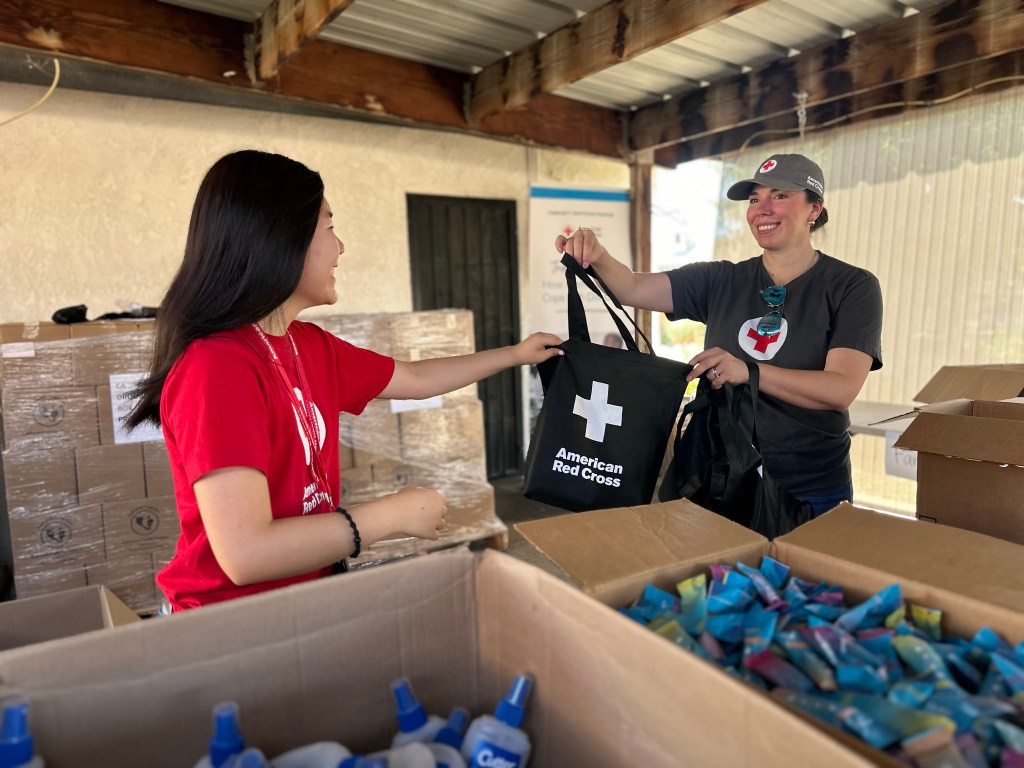
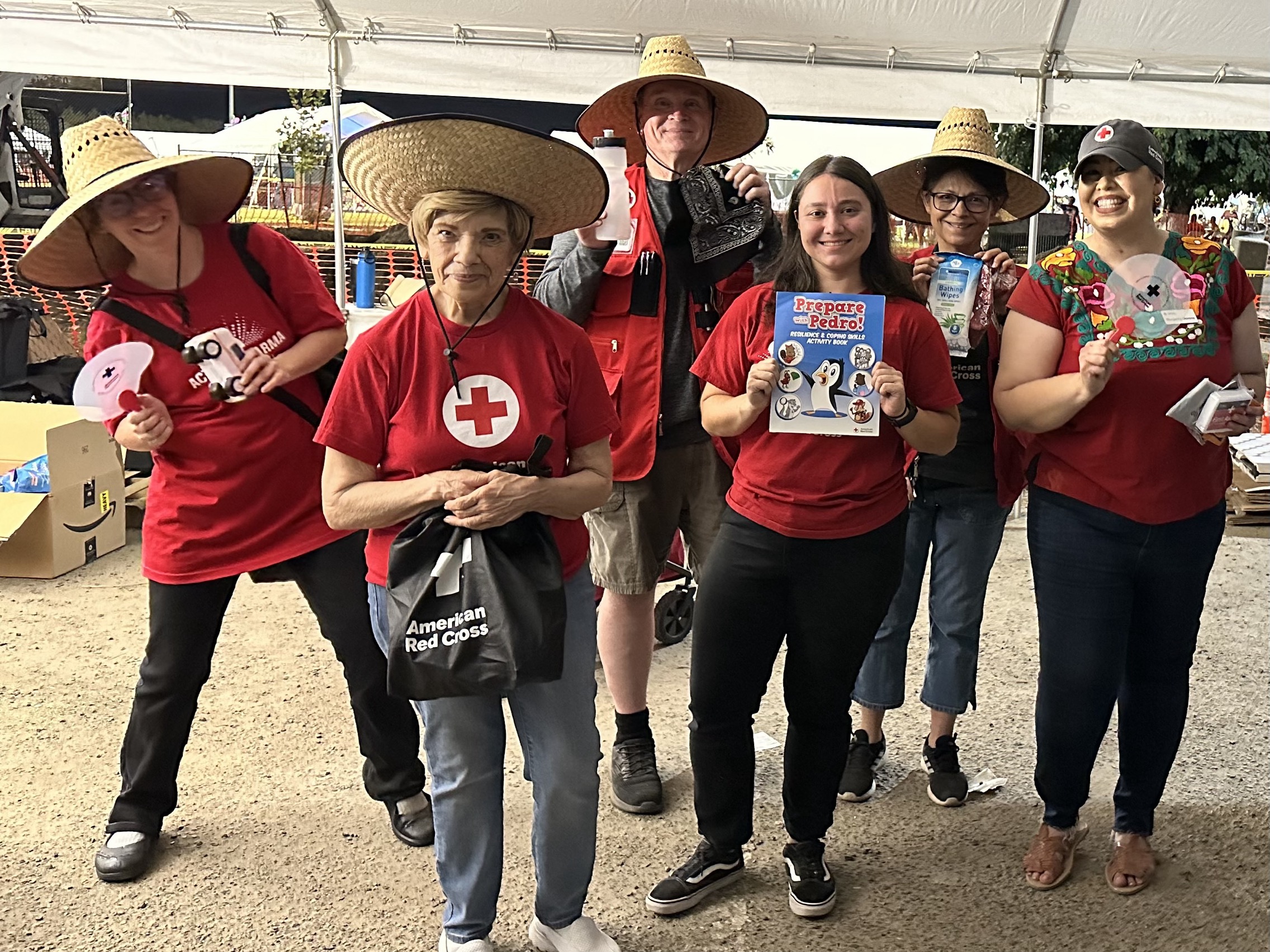
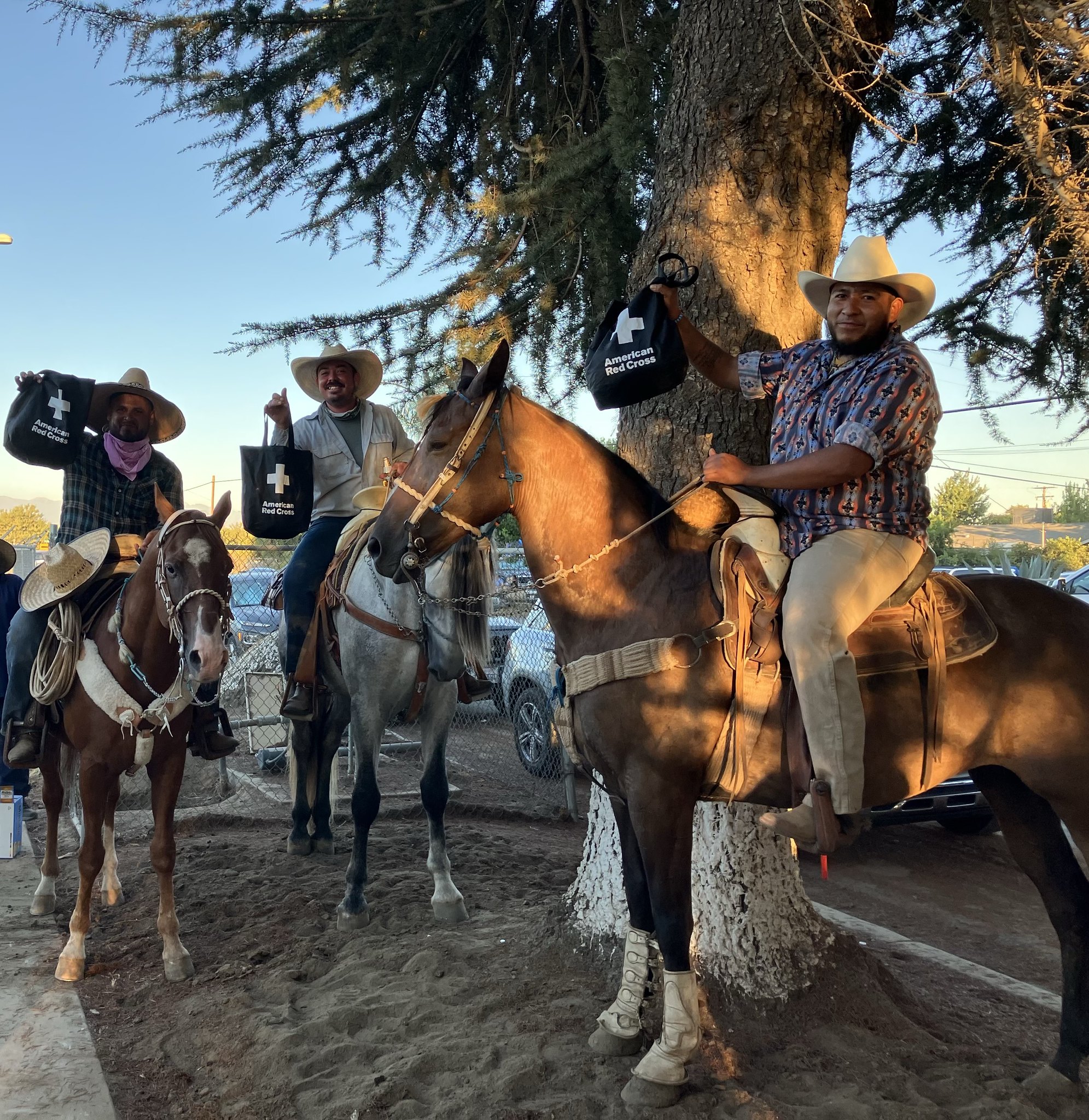
The CAP team’s work also extends into education and culture events. At the Tierra Mia Festival in Poplar, they distributed over 700 extreme heat emergency kits to more than 1,500 farmworkers and their families. These kits included cooling towels and reusable water bottles. One farmworker commented, “Having a water bottle like this is so great; they have water at the work site, but they usually provide tiny cups that make it difficult to stay hydrated.”
In an era of accelerating climate change, traditional disaster models aren’t enough. Tulare County shows us what a new approach can look like: one rooted in local leadership, long-term investment and shared humanity.
To find out more about how you might help the Tulare County CAP and other Red Cross programs, visit redcross.org.
 Red Cross Central California Blog